Applying glue sticks to the 3d print build plate is an effective way to secure the print during the whole printing process. And it is not causing too much of a hassle to get the finished job off the plate due to the glue’s relatively low bonding power. However, it does tend to leave a dried layer of glue residue on the plate. This isn’t a problem until you keep applying one layer on top of another to a point that the thick glue residue simply loses its bonding.
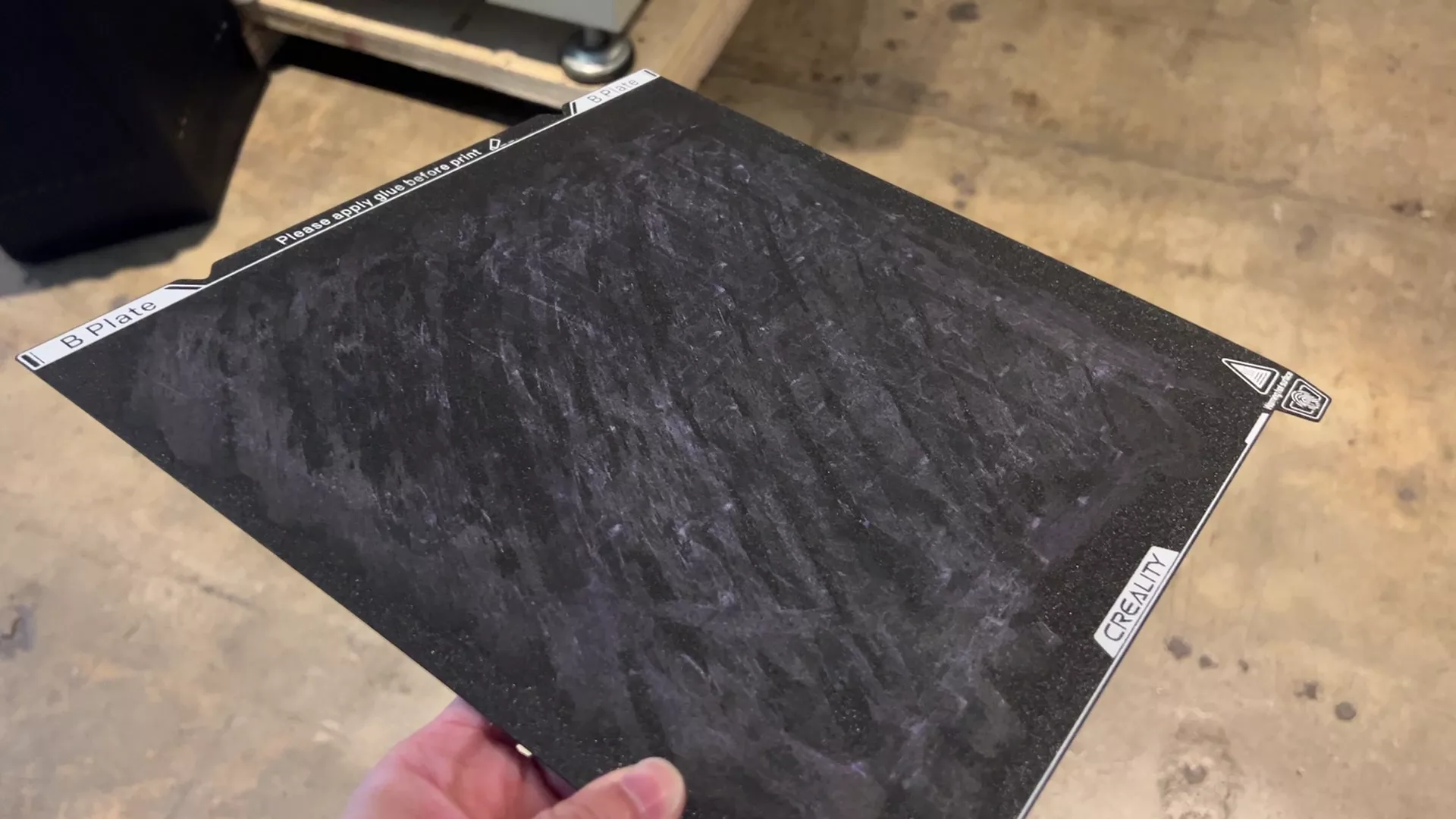
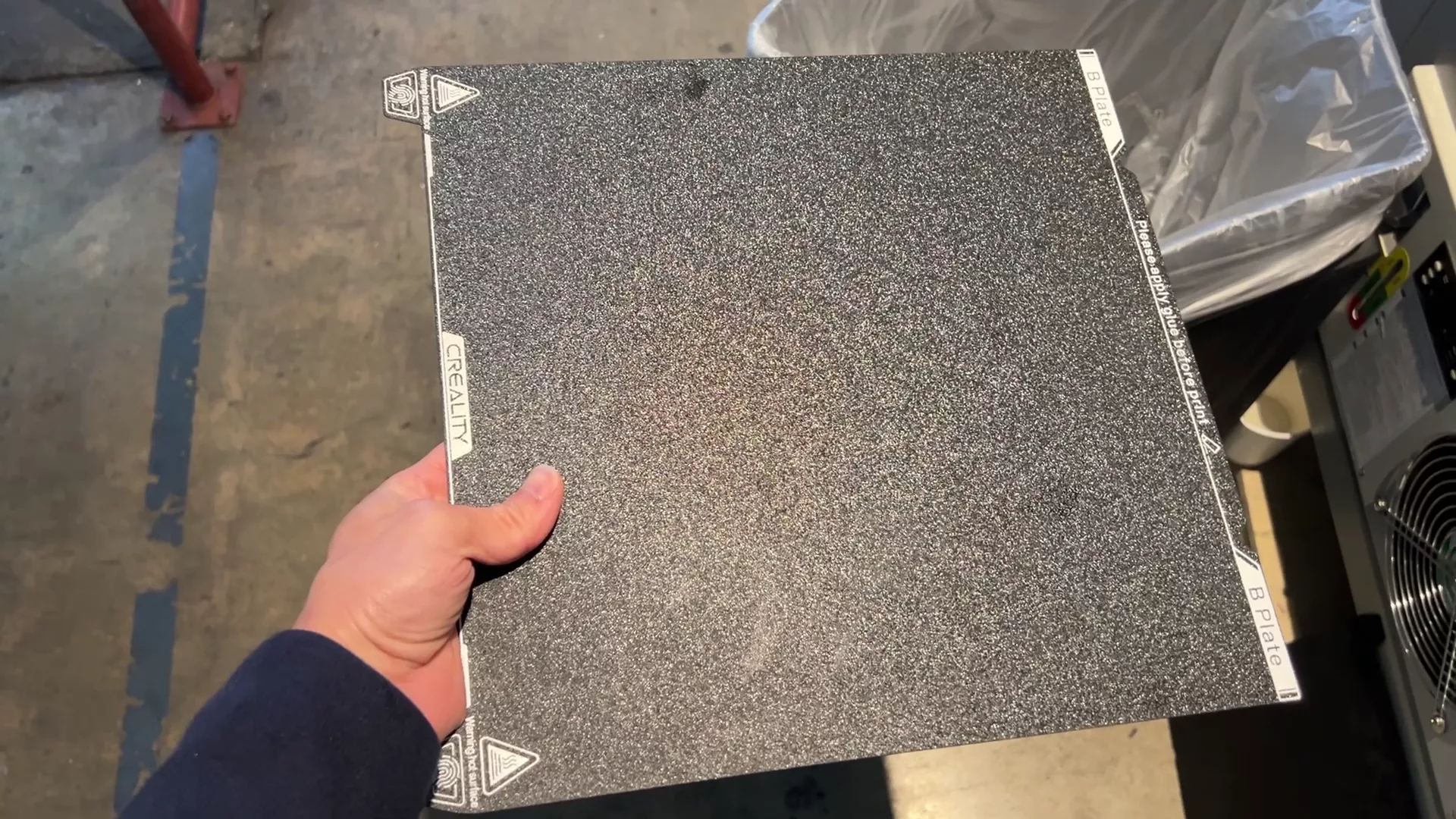
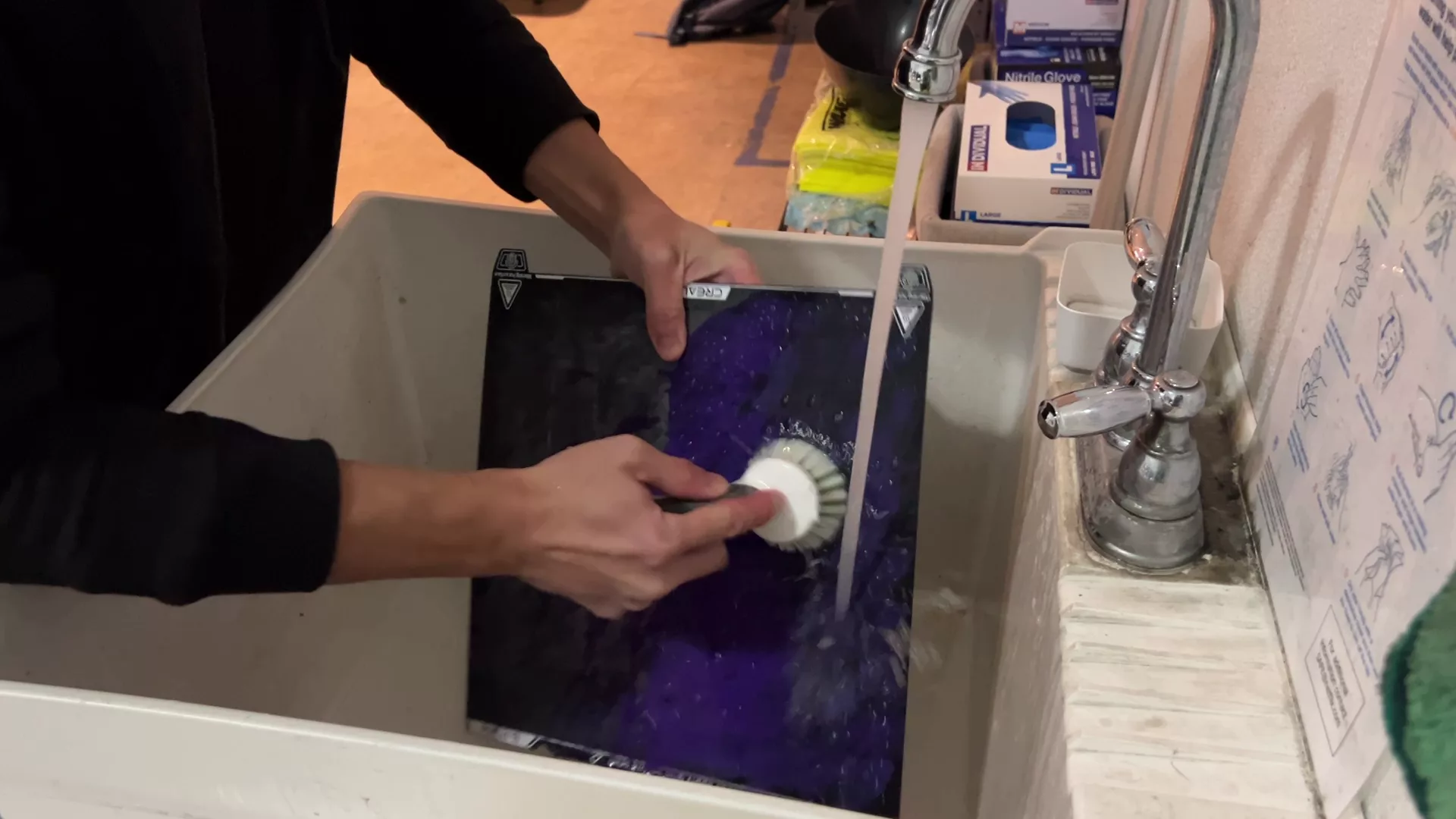
It’s important to clean up the plate before the new job. This step may seem a bit unnecessary and tedious when you are on a tight schedule, but I learnt from so many lessons that the time you waste on a failed print is total not worth it. So, turn on the tap, rinse the build plate and brush off the glue residue. You will have a fresh surface to start another print in just a few minutes.
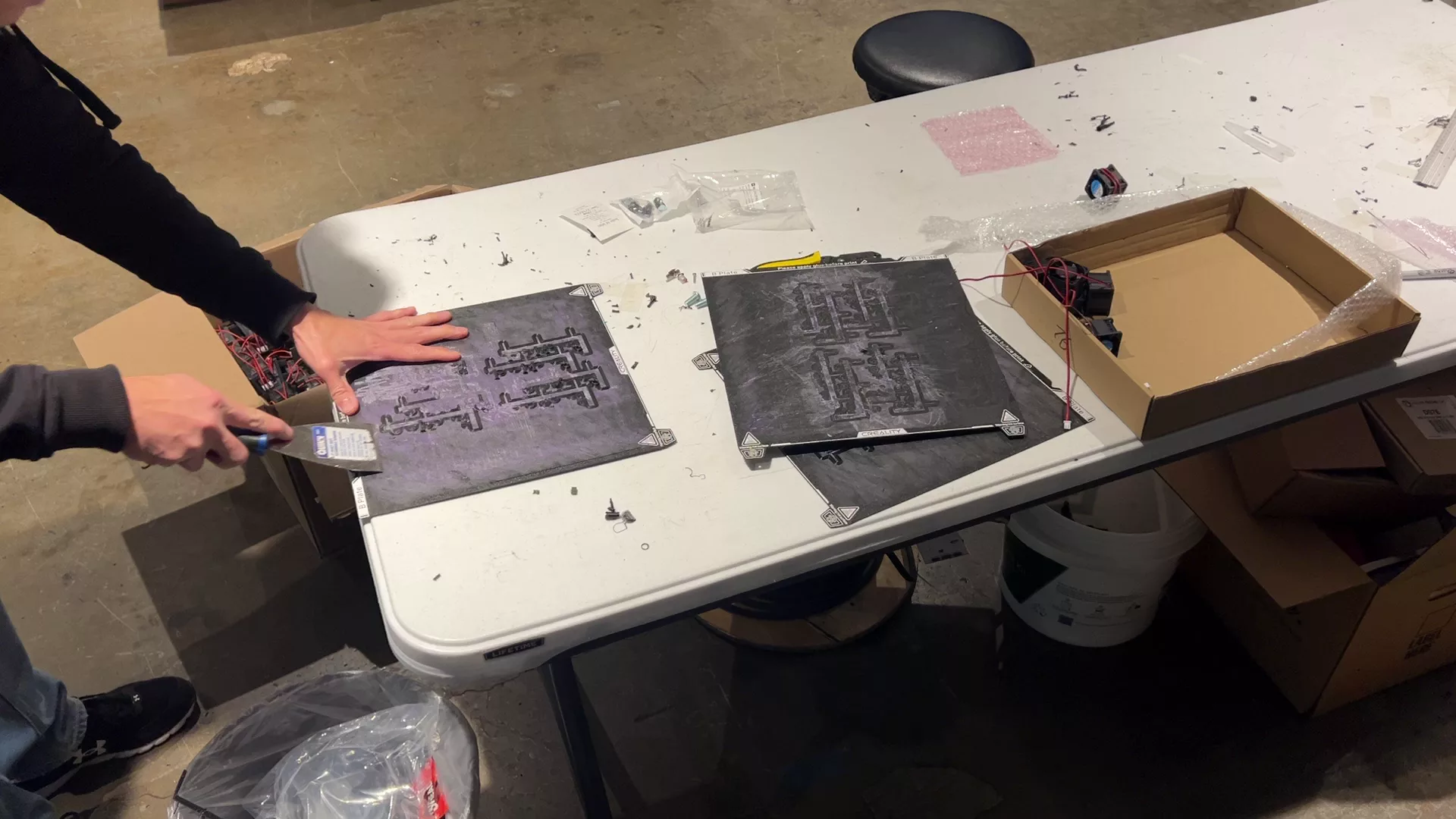
The plate cleaning work sometimes gets a bit harder when you leave a finished job untouched for too long. When plate and print cools down, the glue will cure, which will strengthen the bonding power to make the removal very difficult. Especially when a brim layer is used, those thin, flatten first layer is really stubborn, hard to get off the plate. I tried using scrapers — it worked but leaving a lot of scratches on the plate, not to mentions it takes a lot of efforts.
The problem is becoming a headache when you have to constantly clean many of those plates. But remember, the glue is still water-soluble even after they are cured. So, I tried leaving them in the water for a few hours and the magic happened! The water simply dissolved the glue, and all the residues came off only with a matter of gentle wipe.
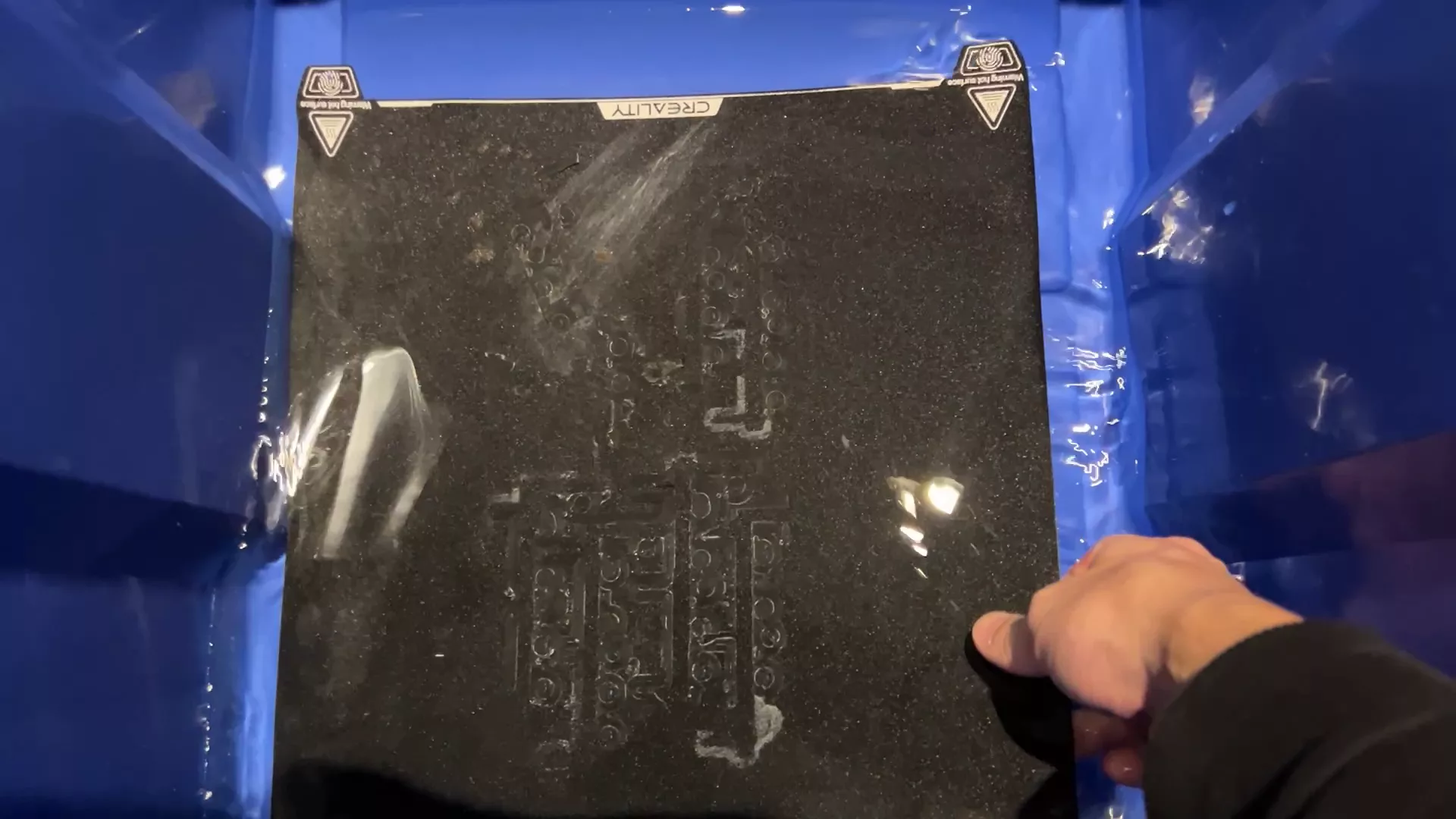
A trade-off for this method is that you will have many spare plates to rotate in order to keep you print jobs going. And make sure you don’t submerge the plate in water for too long — it will cause erosion since the build plate is usually made of steels.
Relate posts:
- 3D Print on a Clean Plate and How to Remove Stubborn Residue
- Remove The Filament Blob, Save your 3D Printer Nozzle
- 3D Print Model of Pokémon Card Protection Cover
- 3D print model of porous container and a funnel lid
- Save Your 3D Printer From The Filament Blob of Death
- Install Shut-off Valve on Pool Filter Waste Drain for Easier Maintenance
- Using a Stencil for DIY PCB Assembly with a Homemade Reflow Oven
- Assemble PCB Yourself with Homemade Reflow Oven
- The Proper Way of Storing 3D Print Filaments
- 3D Print Not Sticking? 5 Tips to Improve the Bed Adhesion
Leave a Reply